
A practical guide from Zoom Carwash Brisbane
A day at the beach is great for your wellbeing but it can be tough on your car. Whether you’ve parked near the surf, driven through sandy car parks or taken your Four-Wheel Drive onto beach tracks, your vehicle is exposed to salt, sand and moisture that can cause damage far sooner than many drivers expect.
At Zoom Carwash, we help Queensland drivers care for their vehicles every day. One of the most common questions we hear after weekends on the coast is a simple one:
What’s the best way to clean my car after being on the beach?
The answer isn’t complicated, but it does need to be done properly. A thorough wash particularly underneath the vehicle and prompt action make all the difference.
Why Beach Exposure Is So Hard on Vehicles
Coastal environments are unforgiving on cars, even after short visits. Salt, sand and humidity combine to create conditions that accelerate wear and corrosion, especially if residue is left behind.
1. Salt
Salt is the biggest culprit when it comes to long-term damage. It’s highly corrosive and quickly attacks exposed metal, including suspension parts, brake lines, fittings and fasteners. When salt settles on the underbody, it attracts moisture and holds it against metal surfaces, allowing rust to form out of sight.
2. Sand
Sand may look harmless, but its abrasive nature causes ongoing problems. Fine grains scratch paintwork, work their way into seals and build up in wheel arches and underbody cavities. Over time, this leads to increased wear on brakes and moving components.
3. Moisture and coastal humidity
Add moisture to the mix and corrosion accelerates rapidly. Even vehicles that never touch the sand can suffer damage simply from parking near the shoreline, where salty air and sea mist settle on exposed surfaces.
This combination is exactly why a proper post-beach wash is essential.
The Best Way to Clean Your Car After Beach Driving
Cleaning a beach-exposed vehicle isn’t just about appearances. The goal is to remove salt and sand from both visible areas and the places you can’t easily see.
1. Start with a thorough rinse
Before washing, rinse the car from top to bottom to remove loose sand and salt. This reduces the risk of scratching during the wash itself. Pay attention to door jambs, the boot opening, window edges, mirror housings and the fuel filler area, as salty residue often collects in these spots.
2. Wash the paintwork properly
A full exterior wash removes the thin salty film that forms after coastal driving. If left in place, this residue can dull paint, damage the clear coat and eventually lead to etching and fading. Regular washing helps maintain both appearance and resale value.
3. Clean the wheels and wheel arches
Wheels and tyres take the brunt of sand and salt spray. Brake components, wheel nuts and suspension mounting points are particularly exposed, so giving these areas a proper clean helps prevent unnecessary wear and corrosion.
4. Don’t skip the undercarriage
The underside of your car collects the highest concentration of salt and sand, yet it’s often overlooked. Contaminants trapped underneath can begin causing corrosion very quickly, and because the damage isn’t visible, it’s often discovered too late.
This is where an underbody wash becomes critical.
Why the Zoom Carwash Super Underbody Wash Matters After the Beach
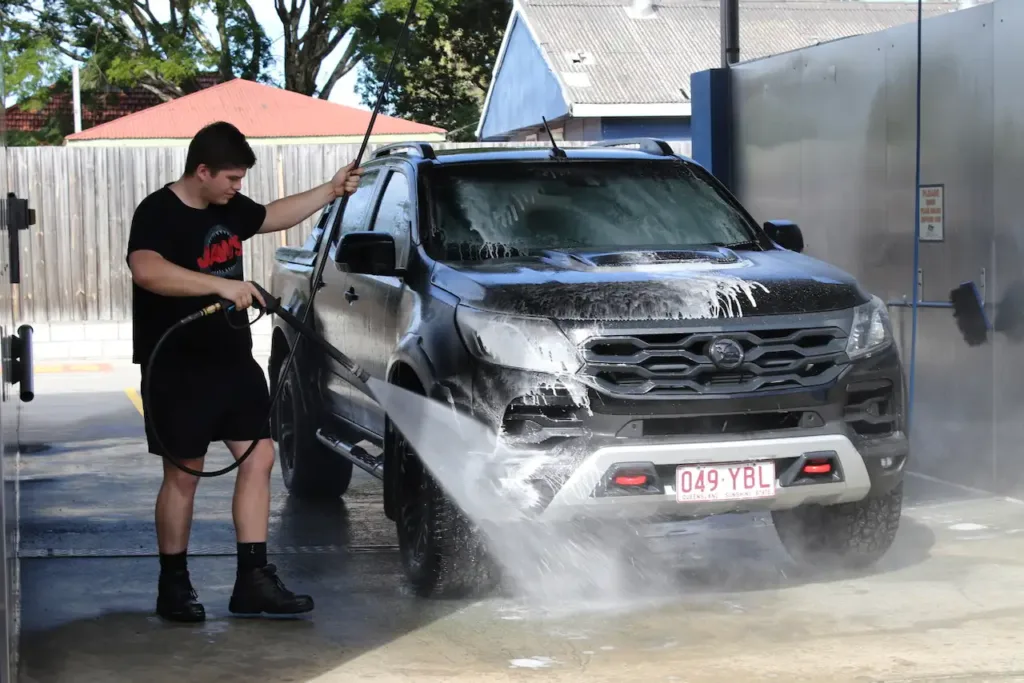
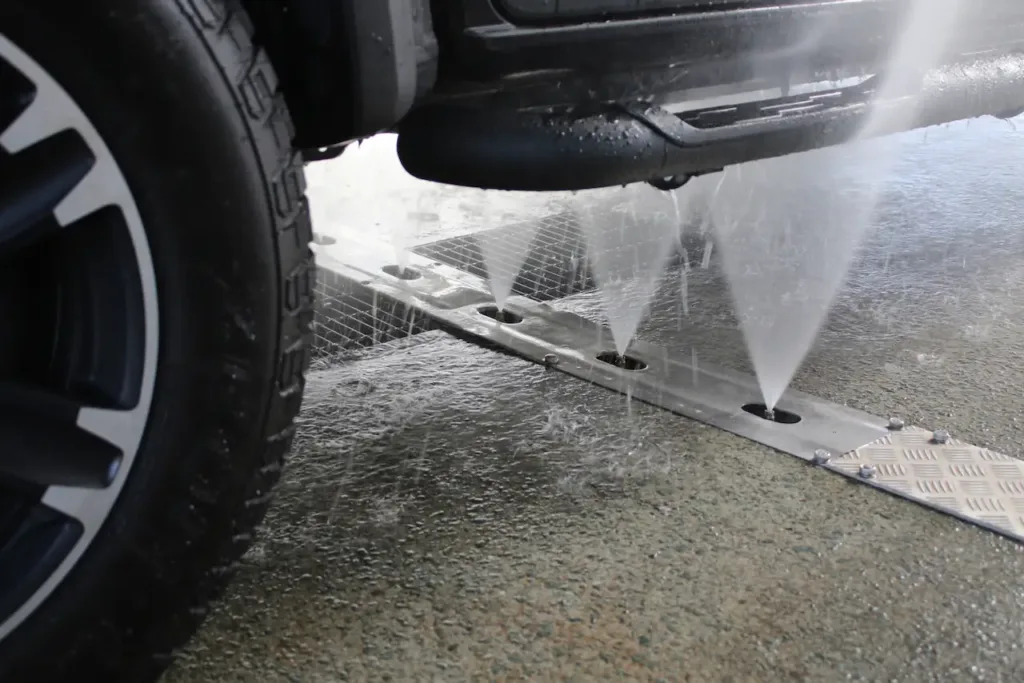
The Super Underbody Wash at Zoom Carwash is designed specifically to target areas that standard washing methods struggle to reach. High-pressure jets are positioned to flush contaminants from key underbody components, removing salt, sand, fine grit and coastal debris effectively.
By thoroughly cleaning beneath the vehicle, the Super Underbody Wash helps reduce the risk of rust and protects critical mechanical parts. Suspension components, brake lines, bolts and mounts benefit from regular underbody cleaning, particularly for vehicles frequently exposed to beach or coastal conditions.
For drivers who spend time on sand tracks, park near the surf or regularly travel coastal roads, this step is one of the most effective ways to protect a vehicle long term.
Benefits of the Super Underbody Wash:
- Helps prevent rust and corrosion
- Protects suspension components
- Cleans brake lines and underbody bolts
- Removes sand that causes premature wear
- Essential for vehicles driven on the beach or near saltwater
If you’ve been off-road, near surf spray, parked at the beach, or taken your 4WD across sand tracks, the Super Underbody Wash is the safest, most effective way to protect your vehicle.
How Soon Should You Wash Your Car After the Beach?
The sooner, the better. Salt begins working almost immediately, and the longer it remains on the vehicle, the deeper it settles into seams and underbody components.
Ideally, your car should be washed on the same day as beach exposure or, at the very latest, within 24 hours. If beach trips are a regular part of your lifestyle whether for fishing, surfing or four-wheel driving, making an underbody washing routine is a smart preventative measure.
Enjoy the Beach Without Compromising Your Car
Beach days are part of the Queensland lifestyle, and with the right care, they don’t have to shorten the life of your vehicle.
A proper post-beach clean helps protect paintwork, underbody components and overall reliability. The Super Underbody Wash at Zoom Carwash Brisbane provides the deep clean your car needs after coastal driving quickly, safely and effectively.
For a fast and reliable post-beach wash, visit your nearest Zoom Car Wash location to experience the difference and let the Super Underbody Wash take care of what you can’t see.
Frequently Asked Questions
Why is an underbody wash so important after beach driving?
Beach driving exposes the underside of your vehicle to salt, sand and moisture. These contaminants collect around suspension parts, brake lines and fittings, where they can cause rust and corrosion if not removed. An underbody wash targets these hidden areas and helps prevent long-term damage that a standard exterior wash can’t address.
Is rinsing my car at home enough after going to the beach?
A home rinse can remove surface sand and salt from paintwork, but it usually doesn’t reach the undercarriage properly. Salt and sand often remain trapped underneath the vehicle, continuing to cause corrosion. A professional underbody wash uses high-pressure jets to clean areas that are difficult or impossible to access at home.
How often should I get an underbody wash if I visit the beach regularly?
If you regularly drive or park near the beach, it’s best to include an underbody wash every time your car is exposed to saltwater or salty air. Frequent beachgoers and 4WD drivers benefit most from making underbody washing a routine part of their vehicle maintenance.
Do I need an underbody wash even if I didn’t drive on the sand?
Yes. Even parking near the ocean can expose your vehicle to salt carried in the air. Coastal mist settles underneath cars just as easily as on visible surfaces. An underbody wash helps remove this residue before it leads to corrosion, even if you never drove directly on the beach.